Irrigation rarely fails all at once. It deteriorates in little manner ins which creep up on you, a patch of worried lawn near the driveway, a zone that takes forever to kick on, a faint hiss under the yard where a lateral split drainages you never see. By the time the water costs leaps or the city tags you for overflow, the concern arrives: fix what you have, or pull it out and start over. The appropriate call relies on age, design, regional water pressure, and just how much time you want to invest in continuous lawn sprinkler upkeep. I have actually walked hundreds of residential properties with this specific fork in the roadway, and the straightforward solution is that repair service and replacement each have minutes when they are the smarter play.
How sprinkler systems age in the genuine world
Different parts live various lengths of time. With sensible care, a well constructed system lasts 15 to 25 years, yet that average hides a lot of variation.
Rotors and sprays see continuous grit and pressure cycles. In typical water, a spray head body may go 8 to 12 years prior to its seals get careless and the cap strings fracture. Rotors tend to last longer, 10 to 15 years, yet their internal wind turbines use, which slowly minimizes toss and coverage. Nozzles can clog in a single season if you have hefty debris or if the last aeration pressed soil right into the caps. Valve diaphragms, the thin rubber that really holds water back, usually fall short in between years 7 and 12. You notice a crying zone that drips after shutoff, or an area that will certainly closed without coaxing the solenoid.
Pipe life-span depends upon material, pressure, and dirt. Schedule 40 PVC stands up 25 years or more in steady soils, however in areas with extensive clay or tree origins, side lines divided along glued joints as the ground steps. Black polyethylene from the 90s obtains weak under continuous sunlight at risers and has a tendency to divide at insert installations if the original installer missed the proper stainless clamps. Galvanized steel, blessedly rare in later installs, obstructions with rust and is miserable to fix cleanly.
Controllers and circuitry live longer than people expect if mounted correctly. A decade prevails, twenty years not unusual. Problems emerge from inadequate splices that rust below ground and from lightning that jumps through improperly based systems. When a controller clock keeps time however random areas stop working in turning, suspect circuitry before you blame the clock.

None of these numbers are guarantees. Water chemistry, freeze cycles, and installer selections tilt the probabilities. Which is why the best decision is not regarding a single damaged component, it has to do with the system's health and wellness as a whole.
Diagnose the trouble like a pro
Before you price a new lawn sprinkler installation or order a truck filled with heads, take a regimented look. The objective is to separate isolated failures from systemic issues. I run the system zone by zone, stroll the spray paths, inspect static and dynamic stress, and placed hands on the shutoffs. I also look at the landscape itself. That patch of dry lawn might have nothing to do with watering if the dirt under it is compacted like a parking lot.
Here is a fast, high worth check that house owners can do before asking for lawn sprinkler repair work:
- Confirm water pressure at a hose pipe bib with a $15 gauge. Try to find 50 to 70 psi fixed at your home for the majority of household systems, or check the style spec if you have one. Run each zone for 2 to 3 minutes and watch head pop up height, arc, and overspray. Heads that hardly surge or haze greatly signal stress troubles or used seals. Open 2 or three valve boxes. Try to find weeping water after areas shut off, abrasive water in package, and breakable cable splices. These mean shutoff or side leaks. Note timing issues. If the controller shows power yet a zone never terminates, exchange the suspect area's cord onto a recognized excellent terminal. If the problem adheres to the cable, it is not the controller. Compare turf shade across head patterns. Plain triangles between heads or eco-friendly donuts around each head indicate inadequate head to head insurance coverage or mismatched nozzles.
Those five checks tell you 80 percent of what you need. You will still need a shovel or a cable tracer for some problems, yet you will make smarter options hereafter walkthrough.
The mathematics: repair service price vs long term efficiency
I commonly use a half guideline: if a fixing runs majority the expense of a like for like substitute and the system is past midlife, favor substitute. However the genuine calculus is larger than one billing. Water price, plant health, and future work all matter.
An instance helps. Claim you have a 10 zone turf system, primarily sprays, developed 15 years ago with non pressure managed heads. You spend $600 annually on water for watering at present prices. The system misting at peak hours wastes 15 to 25 percent. If you retrofit each head with stress controlled bodies and brand-new matched nozzles, plus replace shutoff diaphragms, you may invest $1,800 to $2,400 in parts and labor. Your water expense visit 10 to 20 percent based on pressure and wind conditions. In two to four years, you break even, and you currently have cleaner coverage and less recall. If the system pipelines are audio and the style spacing was respectable, that retrofit beats a full substitute costing $6,000 to $10,000 in numerous markets.
Flip the manuscript. If the heads are mismatched vintage, lateral lines divided every few months, shutoffs are initial and half frozen, and zones overlap like pastas, the covert prices accumulate. You pay for duplicated digs, sod spots, and higher water. In those instances, a clean slate conserves you cash and hassle within 3 to 5 years. I have drawn systems where a house owner invested $1,200 on bit-by-bit repair work over 2 seasons, then still spent for a $9,000 substitute. They might have quit the bleeding much earlier.
Do not forget the refunds. Many cities use $2 to $4 per head to convert to pressure controlled bodies and $50 to $100 to move from a fundamental clock to a WaterSense identified wise controller. On a 50 head system, that debt can cover a chunk of your retrofit. Utilities transform programs frequently, so examine present offerings before you wrap up scope.
Technology leaps that relocate the needle
If your system predates pressure controlled sprays or blades, you are watering at a drawback. Those constructed in regulatory authorities lower misting, which maintains beads big enough to land as opposed to drift. On websites with 70 psi supply, I have seen visible haze go away after a head body change alone. Matched precipitation nozzles, one more enhancement, prevent the classic problem where a 90 level arc tosses one quarter of the water of a 360 degree arc when they ought to apply at the very same rate.
Smart controllers have actually additionally developed. Early versions were gimmicky, hard to set up, and no far better than a well tuned manual schedule. Current WaterSense identified controllers, when matched to correct zone information and a reputable weather feed, trim 10 to 30 percent from usage without starving plants. They are not magic. If your heads are obstructed and the insurance coverage is bad, a clever clock will certainly just sprinkle much less poorly. Yet paired with sound equipment, they connect the guesswork.
Drip conversion is a larger step. Converting hedge beds and narrow side backyards to reduced volume drip gets rid of overspray on hardscape, decreases illness on foliage, and accommodates mulch adjustments. If your system continuously sends out water onto sidewalks or your hedges show fallen leave place from overnight spray, a partial conversion can warrant a broader replacement scope.
Water top quality, soil, and the surprise variables
A rural property on a well with 40 to 45 psi and a high mineral tons will mature differently than a city great deal at 80 psi with chlorinated water. Difficult water fouls nozzles and consumes rubber seals quicker. I have pulled heads with calcified risers that might not retract, which brought about mower decapitation and more repairs.
Soils matter too. Sandy loam approves faster precipitation. Clay develops into a mirror and sends your water downhill unless you cycle and soak. If your existing system was never tuned to dirt consumption prices, it may reveal chronic drainage that a homeowner errors for a leak. Switching to reduced rainfall rotors or multi stream nozzles, or just altering runtimes to shorter cycles, can bring back control. Yet if the spacing is wrong, no nozzle change will certainly cure scalloped stripes of stress and anxiety that originated from heads also far apart.
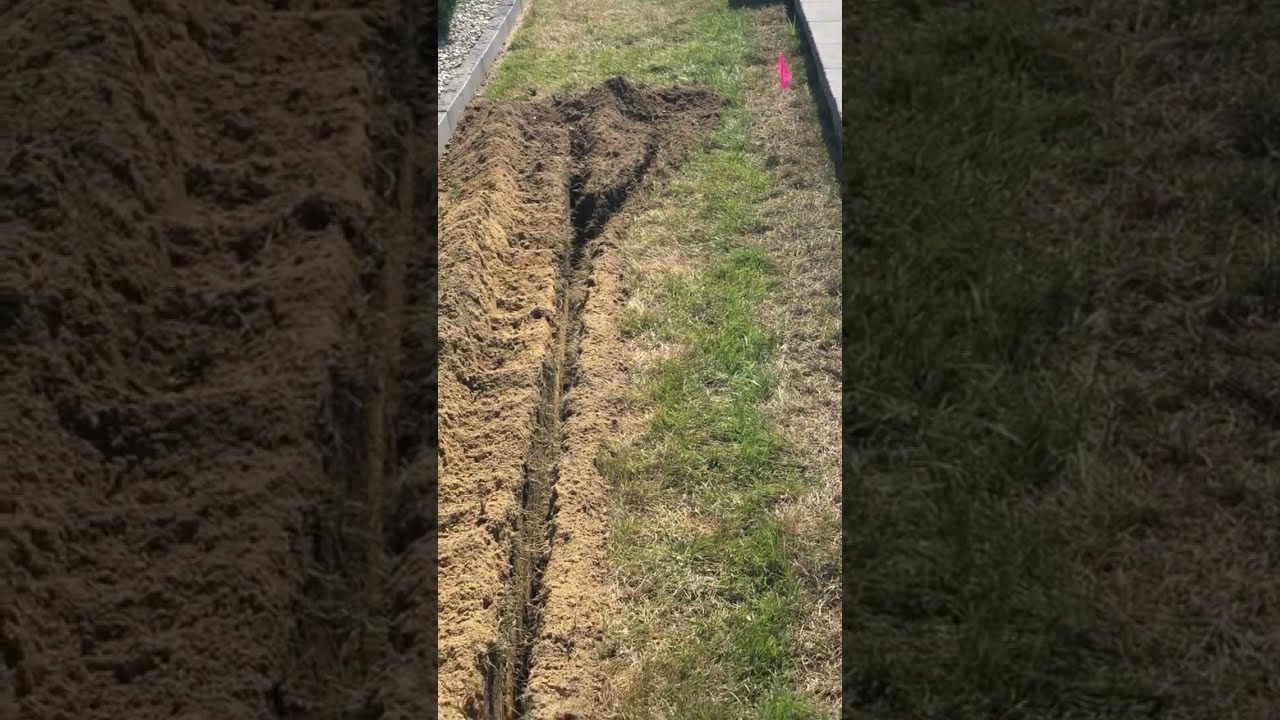
Trees provide an unique obstacle. Valve boxes under roots come to be historical digs. Side lines crushed by slow-moving origin stress leakage without apparent surface area indicators. In root hefty backyards, I typically advocate for re directing runs and including swing joints https://daltonenhg229.brightsora.com/posts/step-by-step-lawn-sprinkler-installment-for-new-landscapes with more generous arcs to offer the system some flex. When a layout combats a mature oak, substitute is the time to be sincere and redesign around reality.
Common fixings that still make sense
Not every problem is a teardown signal. Some repairs are moderate and durable.
A cracked spray body is a fast swap, generally $12 to $25 partially and 15 minutes of labor per head. A clogged nozzle can be cleared or changed for a couple of bucks. A rotor dripping from the wiper seal usually approves a seal set. If the container is cracked at the strings, change the body. A stuck shutoff frequently needs a diaphragm and springtime set, $15 to $30, and you get several more years. Solenoids fail periodically, and at $15 to $25 each, they are not budget plan killers.
Lateral line leakages determined in soft places can be repaired with combinings or brand-new areas. If you find yourself repairing the very same run twice in a period, widen your dig. Poor bedding or a misaligned adhesive joint further down may be establishing you up for repeats. For controller problems, if the display is dark or switches fall short, exchange the clock. If areas drop randomly and the controller examinations well, chase after wire splices. Replacing old spin on cable nuts with appropriate gel filled adapters pays dividends.
These are the type of lawn sprinkler repair work tasks that prolong system life without sinking money into bad bones. If your system format is otherwise sound, doing a round of valve kits and head body upgrades can include a decade.
Signs that replacement is the smarter call
I try to find patterns. When three or even more of these problems show up with each other, I quit suggesting piecemeal work.
- Mixed, inappropriate head kinds on the exact same area that cause evident over and under watering, in addition to spacing as well broad to fix with nozzles alone. Chronic pipe failings across numerous zones, specifically in older poly or shallow hidden lines within root zones. Obsolete or dangerous heartburn assemblies, missing out on vacuum cleaner breakers, or systems that do not meet existing code clearances. Serious layout flaws, heads blocked by fully grown plants, heads spraying frameworks and home windows, or inadequate zoning where sunny grass and thick color share the same schedule. Major landscape adjustments, such as replacing big grass areas with beds or hardscape, that render the initial design irrelevant.
On one home, the property owner had a 20 year old system with sprays spaced at 18 feet tossing 15 foot nozzles, and blades mixed in for the corners. The valves were hidden under roots, and the controller had just 6 terminals running 10 areas through wire nuts and hopeful reasoning. Yes, I might have nursed it along. However every repair work took the chance of another downstream failure. We changed with pressure regulated sprays at real head to head spacing, apart sunlight and shade into distinct areas, and transformed shrub beds to trickle. The water costs visited 28 percent in the first summer, and service telephone calls disappeared for 2 years except for seasonal tuning.
Timing your decision and phasing work
If you pick substitute, schedule it right. Spring sets up let you tune coverage prior to peak warmth. Autumn works well in warm climates when demand drops, and turf repair services root easily. Summertime is often the least convenient time to disrupt watering, yet occasionally a system compels your hand.
Phasing can connect budget constraints. Start with shutoffs and manifolds if the existing ones are falling short, then reconstruct heads and laterals zone by area. Use a controller with development capacity, and document each phase with photos and as builts. If you prepare to add a garden or a patio next year, style sleeves and extra area capacity now to avoid saw reducing later.
Codes, heartburn, and the unglamorous details
Every system have to protect the drinkable supply. If you draw from city water, a backflow preventer is not optional. Air gaps are for pipe ends. For in ground systems, atmospheric vacuum cleaner breakers prevail in some regions, and pressure vacuum breakers or reduced pressure assemblies are required in others, specifically where fertilizers or chemicals could get in. If your current arrangement conceals an old antisiphon valve listed below quality, it is noncompliant and risky. Replacement is the time to correct this, even if your instant concern is a damaged head.
Many districts likewise require authorizations for new sprinkler installment and in some cases for major valve manifold job. Insurance coverage and home sales can bring these concerns to light. An excellent professional recognizes your neighborhood code, sets proper elevations for the backflow, shields or drains where cold occurs, and draws authorizations when needed. This is not red tape, it is public health.
Choosing a service provider and obtaining apples to apples bids
Not all propositions are equal. I ask for clear counts of heads by kind, model of controller, technique of connection for wire interlaces, and a map or legend. Vague quotes that guarantee a good environment-friendly grass without information often tend to balloon later.
Use this quick bid contrast checklist to avoid shocks:
- Confirm head bodies are pressure controlled, and that sprays and blades will certainly not share a zone. Ask for matched precipitation nozzles by brand and collection, plus model numbers for shutoffs and controller. Specify wire interlaces as gel filled, water resistant connectors, and call for valve boxes at each manifold. Ensure the proposal consists of heartburn installment or upgrade to present code, with screening if required by your utility.
If a service provider resists detail, keep looking. The far better firms take pride in their requirements due to the fact that they protect against callbacks and shield warranties.
DIY or work with out
Much of lawn sprinkler repair is accessible of a mindful house owner. Swapping a head, cleaning a nozzle, or changing a solenoid is uncomplicated with fundamental devices. Trenching, manifold restores, and backflow work are much less flexible. A mis glued joint in a deep trench is an uncomfortable renovate. Backflow assemblies require understanding of local code and typically an accredited plumbing technician. Electrical splices should be really water-proof, not simply turned and taped.
If you go after DIY, comply with maker cut sheets as opposed to internet shortcuts, and purchase good tools. A $40 wire tracer saves hours locating valve boxes. A $15 pressure gauge saves you from rating a root cause. Do not bury cable splices without gel loaded connectors ranked for straight burial. And, if you do not winterize, discover the layout of your main shutoff and master shutoff. When a side stops working on a vacation weekend, understanding where to quit the water matters greater than anything.
Maintenance after the decision
Whether you fixed or replaced, set a reasonable lawn sprinkler maintenance routine. Regular monthly checks throughout the season spend for themselves.
I advise strolling zones at least two times a period, early summertime and mid summer, at dawn when wind is tranquil. Try to find misaligned heads and stopped up nozzles. Every springtime, draw a handful of nozzles and purge the lines for 5 seconds before reinstalling. Tidy filters on rotors if geared up. If your system lacks stress policy and runs at high fixed pressure, include stress policy at the valve or head degree when you work with that zone next.
If you winterize, make use of controlled atmospheric pressure, 50 to 60 psi for many household systems, and stay clear of rotating blades at supersonic speeds. If you have a backflow above quality, shield and protect it against burglary and cold. In springtime launch, open the major gradually to avoid water hammer, run each area, and verify the controller schedule still matches plant needs. A smart controller is not established and neglect, it gains from fast checks of area data and seasonal adjustments.
Edge cases that can turn the decision
Wells with variable pressure make complex diagnosis. A zone that runs fine at dawn may fail by afternoon when household usage drops stress or when the well cycles. In these cases, a pressure tank and a cycle quit valve can maintain distribution, and replacing the sprinkler system without repairing the supply only relocates the issue downstream.
Reclaimed water systems introduce purple pipe rules and limitations on head kinds. Chloramines in some redeemed materials are extreme on rubber components, which reduces diaphragm life. If you irrigate with redeemed water, favor part lines with recorded chemical resistance.
Homeowners organizations often regulate sprinkling windows. If you can just water two times each week, a system with careless protection and high rainfall heads will struggle on warm weeks. Upgrading to lower precipitation, more consistent devices can be the difference between a backyard that looks stressed by Thursday and one that holds color.
Commercial sites with foot website traffic have various demands. Pop up heights, head option near pathways, and controller functions like flow tracking issue. Circulation sensing that shuts off a broken head can conserve countless gallons in a solitary evening. On a business retrofit, I often suggest for substitute sooner due to the fact that the responsibility and water waste threats are higher.
A useful method to get to a decision
Start with the walkthrough. Procedure stress, observe coverage, and examine the condition of valves and laterals. Note the noticeable repairs and the likely systemic problems. Price a targeted repair service package that resolves shutoffs, head bodies, and nozzles. In parallel, price a full replacement that deals with layout imperfections and brings the system to current criteria, consisting of heartburn and a modern-day controller. Element water price decreases and any kind of rebates. After that evaluate not just dollars however also your hunger for future service calls.
If your system is younger than one decade, pipes are audio, and troubles are separated to a few worn components, repair with confidence and purchase step-by-step upgrades like pressure managed bodies. If your system sits north of 15 years, reveals chronic leakages, has mixed directly zones, and fails fundamental insurance coverage checks, direct your budget plan to a new lawn sprinkler setup that repairs the design, not simply the symptoms.
There is satisfaction in getting more life from what you have, especially when thoughtful sprinkler repair work and seasonal treatment maintain a backyard growing. There is additionally peace in beginning fresh when the bones misbehave. Make the telephone call with open eyes, and your grass, plants, and water expense will inform you if you selected well by mid summer.